A $7 3D Pen for Kids With an LED Screen: Honest Look
A 3D printing pen with LED screen aimed at kids, under $8. I looked into whether it actually delivers or falls flat.
Save $10.18 on this deal!
⏰Offer valid for a limited time!
🛒Buy now on AliExpress🔒 Secure payment on AliExpress • Price may change
📋 Detailed description
Is a $7 3D Pen With an LED Screen Actually Worth It for Kids?
Every parent or gift-buyer has been there: you want something genuinely creative for a kid, something that sparks curiosity rather than collecting dust after a weekend. Educational toys that blend tech and art tend to check that box - but entry-level 3D pens from recognizable brands routinely land between $25 and $50. So when something in this category appears for around $7 with an LED screen included, the obvious question is whether you're looking at a clever budget find or just a cheaper version of disappointment.
I looked into this one properly - the listing, the reviews left by real buyers across multiple countries, and how it sits against the wider category - to give you a straight answer.
What You Actually Get
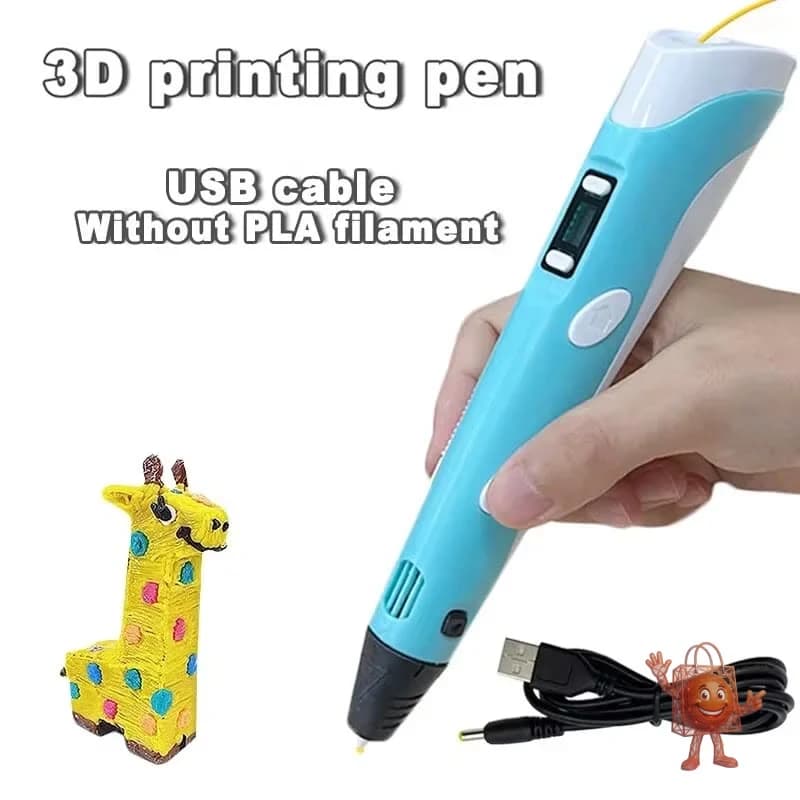
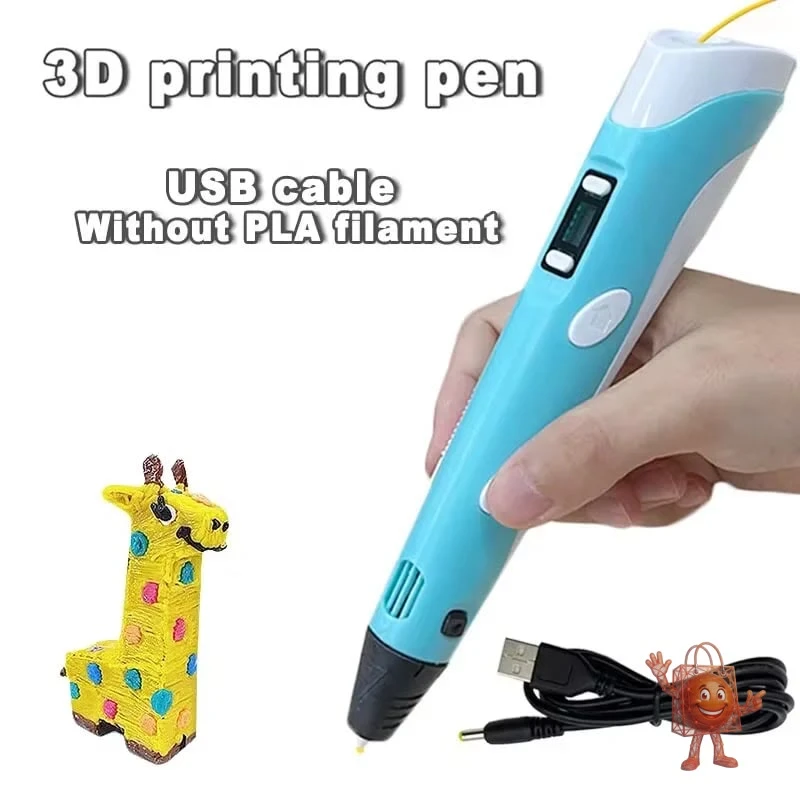
This is an electronic 3D drawing pen designed specifically for children. It works by extruding plastic filament at low temperatures, letting kids draw shapes that solidify in the air or on a surface, building up three-dimensional structures. The concept is well-established; what varies enormously by price is execution.
The standout feature at this price point is the LED screen. Most sub-$10 3D pens are bare-bones affairs with a single button, no feedback, and no way for a child to know whether the temperature is set correctly or the filament is about to jam. The LED display here provides basic usage parameters - temperature indication and speed settings, based on the listing - which is a practical safety and usability upgrade that typically appears on pens in the $20-plus range.
The ergonomic design is built around smaller hands. The body is lightweight, the extrusion temperature is set lower than adult-oriented models, and the whole thing is framed as a birthday or Christmas gift - meaning the packaging and presentation are part of the pitch. It is not a precision instrument. It is a creative toy for children who want to experiment with three-dimensional drawing without the complexity of actual 3D printing.
What's Good and What's Not
What genuinely impressed me from the research: reviews from buyers in Spain, Brazil, Uruguay, Japan, and Greece all confirm the product arrives as described and works out of the box. That cross-market consistency matters. In this price bracket, the most common failure point is simply not functioning at all or arriving incomplete. The recurring feedback here says neither of those happened.
The LED screen at under $8 is also a real differentiator, not a cosmetic one. It gives a child - or the adult supervising - a basic read on what the pen is doing, which reduces the main safety concern with 3D pens: accidental contact with an overheated tip.
The real limitation, stated plainly: there is no data on long-term durability. One reviewer in Spain put it directly - they noted the quality would only become clear once the child started using it regularly. That is an honest observation, and it is the core risk here. The recurring complaint in the budget 3D pen category is that the extrusion mechanism degrades within weeks of regular use, and the included filament is often low quality. Nothing in the available reviews addresses this because the reviews are early-stage. You are taking a calculated bet on durability.
The tip, even at lower temperatures, can cause mild burns on contact. That is true of all 3D pens and is not a defect - but it means unsupervised use for younger children is not advisable.
What This Price Normally Buys
At $7 to $8 in the kids' creative toys category, the realistic alternatives are a basic paint set, a mid-range modeling clay kit, or a simple craft activity book. A functional 3D pen with any kind of display does not typically appear at this price - entry-level branded options from names like 3Doodler Start or Myriwell sit in the $25 to $45 range and come with more filament, better build quality, and actual customer support.
If you are buying for a child who will use this intensively, week after week, those branded options are the safer investment. The durability question alone tips the balance. But if the goal is to introduce a child to the concept, give a genuinely novel gift at low cost, or test whether 3D drawing holds their interest before spending more, the math on this one is harder to argue with.
Who It's For
Buy it if: you want an affordable, genuinely creative gift for a child aged roughly 6 to 12 and you are not certain yet whether 3D drawing will hold their interest; you need a memorable birthday or holiday present under $10 that is not another generic toy; or you want to introduce a child to basic 3D concepts without committing to a more expensive pen.
Skip it if: the child already has experience with 3D pens and wants something precise with quality filament; you need guaranteed durability over months of regular use; or you want a product with real warranty support and easy replacement parts from a known brand.
Score: 6/10. It does what it claims at a price that makes the category accessible - but the durability question is real and unanswered, and that limits how confidently I can send you toward it.
🔥 Similar products you might like
More quality products from the same category